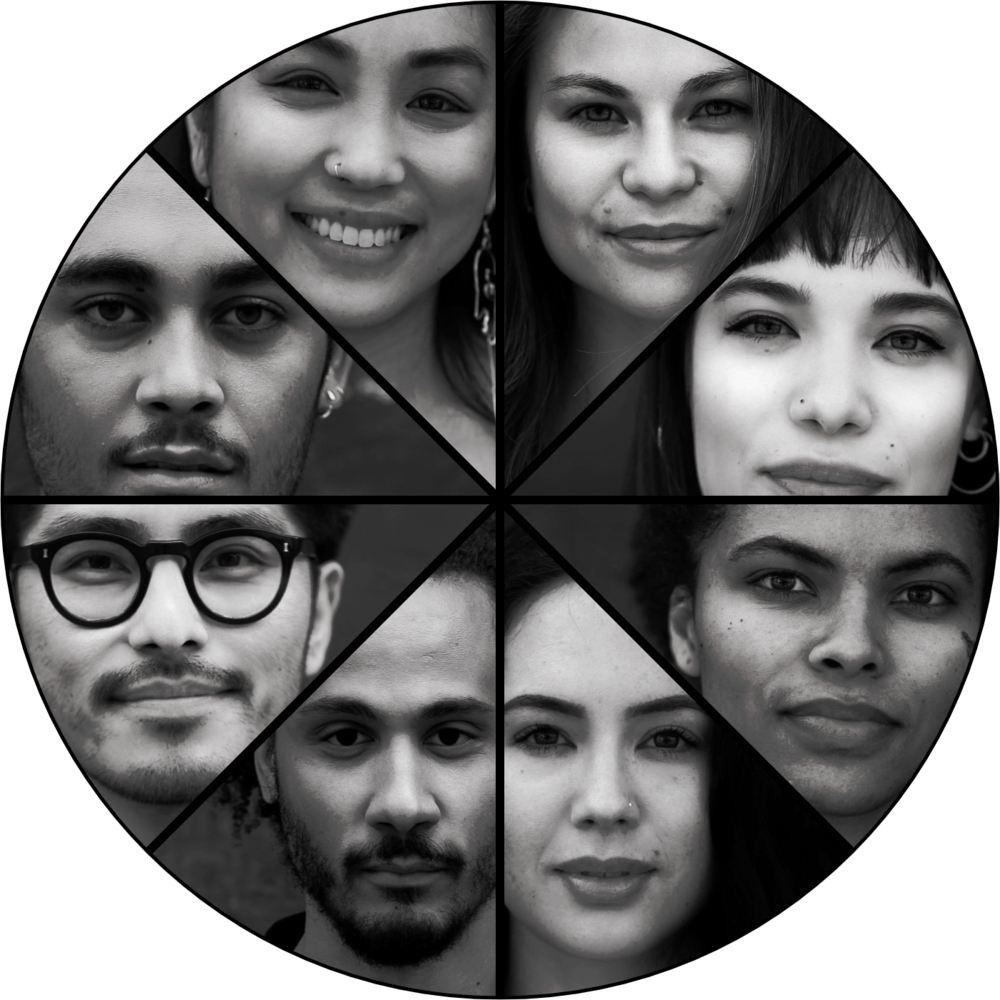
Haitian | Japanese
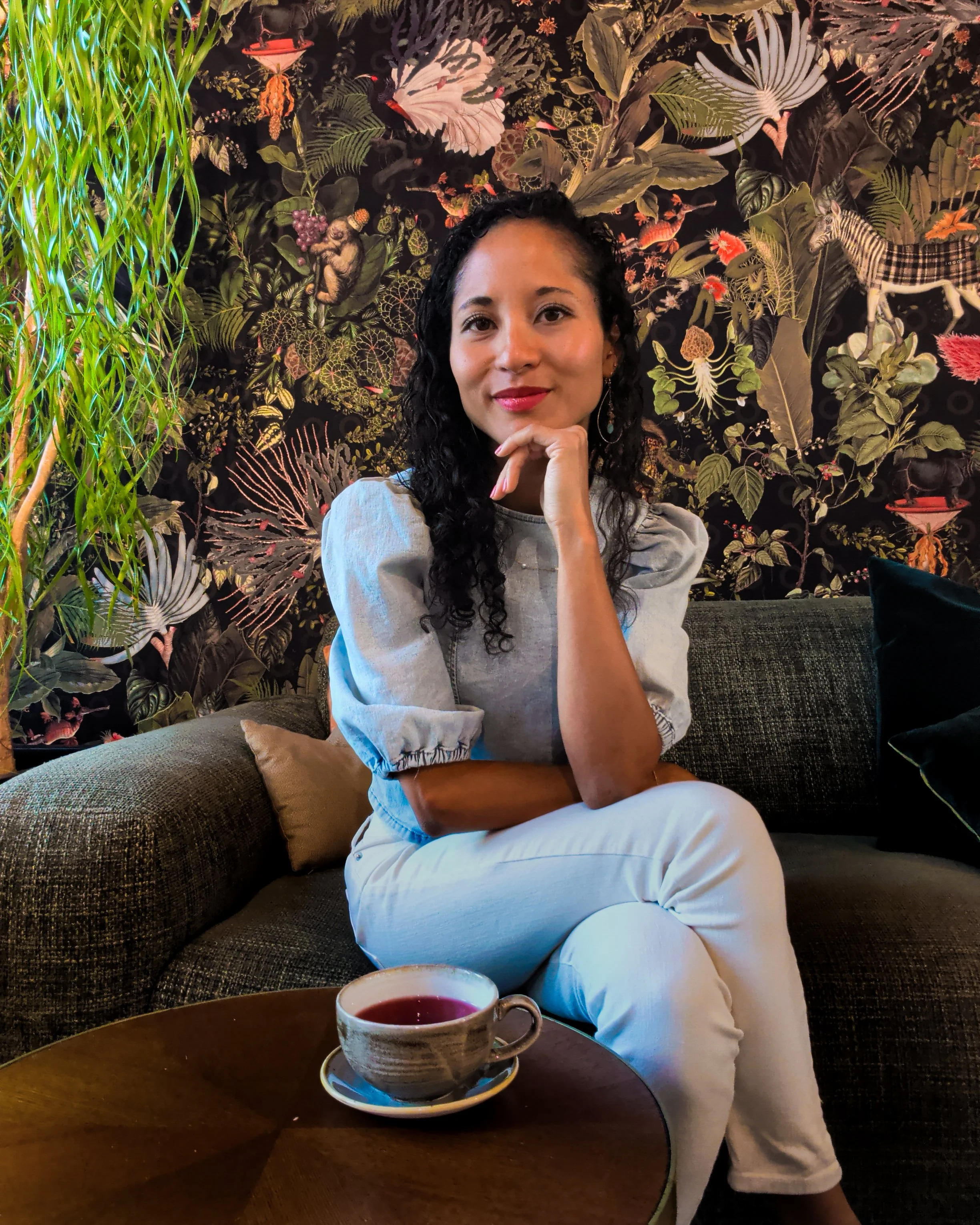
Photo credit: subject
It was mostly always arguments with my parents as I witnessed the cultural clash between them. I remember my Japanese mom always being annoyed at my dad’s lack of timeliness. Japanese people are trained to be early to everything, while my dad was in a Caribbean mindset of time. There were also differences in how they wanted to style my sister's and my hair. My dad wanted to braid our hair, while my mom was very against it. How we care for wounds also differed. I remember my parents arguing because my mom thought Mentholatum was the best remedy while my dad swore by cocoa butter. They are both so deeply rooted in their own cultural ways.
My parents split when I was 3, so having been raised by my mom, I’m much closer to my Japanese heritage than my Haitian heritage. In the home, we spoke Japanese, ate Japanese food, and I grew up in a Japanese community in Westchester, New York, so most of my elementary school friends were Japanese. It wasn’t until university that I immersed myself in Haitian culture. I joined the Haitian-American Student Association at NYU and was introduced to Haitian culture. But I didn’t truly feel like I fit in there because I didn’t speak Creole, I wasn’t accustomed to the food, and didn’t understand the cultural jargon. I visited Haiti during college, and Japan a year after graduation, both for the first time. Both experiences were eye-opening. Being in Haiti with my extended family was my first true introduction to Haitian culture, whereas I felt more at home in Japan being able to speak the language and having a better understanding of the culture.
In elementary school, there was some discrimination among the Japanese community. My mom did a good job hiding it from me, so this is something I learned later on. The Japanese moms would deny us from playdates, Japanese parades, etc., claiming it’s only for Japanese kids. But I didn’t feel any discrimination from the kids themselves, as it was more something my mom had to deal with from the other Japanese moms. Another example is how my parents were denied a viewing for an apartment in Westchester and were told it’s no longer available, but when my mom went the next day on her own, they welcomed her in for the viewing. It was difficult for my Black father to be in an environment like Westchester, where he didn’t feel accepted, but he knew it was a good place for my sister and me to have a good education.
In university, I joined an Asian community, the Gospel Choir, and the Haitian Club, and in each of these settings, I felt "not Asian enough," "not Black enough," or "not Haitian enough." It was the first time I realized that I am different and that I don’t fit into either culture. I ended up with mostly Arab friends in university because that’s who accepted me.
I struggle with identifying with my Haitian side because I had so much of a stronger Japanese influence growing up. Sometimes Haitians see me as a disappointment. I mean, what Haitian person eats with chopsticks and speaks Japanese? I met my extended Haitian family during college and have made efforts to spend more time with them in Montreal. But learning a culture so late in life just isn’t the same as growing up with it.
It’s OK not to embrace both of your cultures every single day. Some days I feel more Japanese. Other days I feel more Haitian. Parts of our culture will come out in different forms in different situations. Embrace that.
It's hard to hide it when I look the way I look!
I love how Naomi Osaka, a fellow Haitian-Japanese, embraces both of her cultures proudly. She shows up to interviews with attire representing both countries, she speaks up for both communities, and isn’t afraid to show both sides of herself.
I have personally been calling myself a "halfie" my whole life and others have followed suit. I realize now that not everyone is fond of the term halfie, because it may allude that I’m not fully embracing both cultures. Some even find offense to it. It’s something I’m still trying to figure out. But I just think the term is cute.
I love Arab culture. Having spent a lot of time with my Algerian, Egyptian, Syrian, and Jordanian friends in college, I’ve come to love and appreciate the culture, the food, and the generosity of the Arab people. I spent some time in Jordan earlier this year and absolutely loved my time there. I love the way families and friends convene over food, coffee/tea (and hookah, even though I don’t smoke). There’s so much emphasis on quality time with loved ones that I think is just beautiful. We just don’t have enough of that in NYC.
Traditions & Daily Life
(1) Tea time: Every evening, about an hour or two after dinner, my mom, sister, and I would gather back at the table for a cup of tea and chat. This simple routine is something I’d like to continue.
(2) Making gyoza (dumplings): Once or twice a year, my mom, sister, and I would gather around the table to make gyoza. Having homemade gyoza was so special!
(3) Natural remedies: Although I’m not opposed to Western medicine when necessary, I love the rituals of boiling ginger, or making drinks out of herbs and spices as a source of natural remedy. This is part of both Haitian and Japanese cultures that I still practice.
In the corporate environment, mixed-race people weren’t well-represented, but I feel my former company did a great job of fostering communities through Employee Resource Groups, which I was actively involved in leading. Now, as a content creator, I do find people like me, and I feel it gives me a niche that no one else can do — sharing my experience as a Haitian-Japanese born and raised in New York.
I cook and eat mostly Japanese food at home, have tea as a ritual, make various natural remedies, and I try to visit Japan as much as possible. I’d love to also visit Haiti again soon once it’s safe.